


Psychomotor therapist · Brussels

Grow, move, feel. At your own pace.

CallGet in touch

I’m Aïda Hamzi, a psychomotor therapist at Centre ZigZag in Brussels. I work with children, teenagers and adults, including people with neurodevelopmental conditions, coordination difficulties or sensory differences. My practice combines listening, clinical observation and scientific knowledge to agree on goals that reflect each person’s needs and everyday life.

Consultations are offered in French and English only.

Portrait of Aïda Hamzi, psychomotor therapist
Getting acquainted

Getting acquainted

Who am I?

I'm Aïda Hamzi, a psychomotor therapist who qualified in France in 2022. My career has taken me to different organisations and private practice, working with people with a wide range of needs and profiles. My experience with children and teenagers affected by neurodevelopmental conditions is an important part of my practice. I also work with adults, depending on their needs and the support I can offer.

Portrait of Aïda Hamzi, psychomotor therapist

My path

Background and training

My psychomotor therapy training and hands-on experience inform how I assess motor, attention, sensory and emotional difficulties. My background in public health adds another perspective on scientific evidence, prevention and the influence of our surroundings on health. It does not replace my clinical expertise as a psychomotor therapist.

Aïda Hamzi in graduation attire on the Grand-Place in Brussels
Therapeutic approach

Understanding

What is psychomotor therapy?

Psychomotor therapy explores the links between movement, perception, cognition, emotions, sensory processing and interactions. The aim is not just to describe a difficulty, but to understand how it affects participation, learning, independence and well-being in everyday life.

Explore psychomotor therapy →
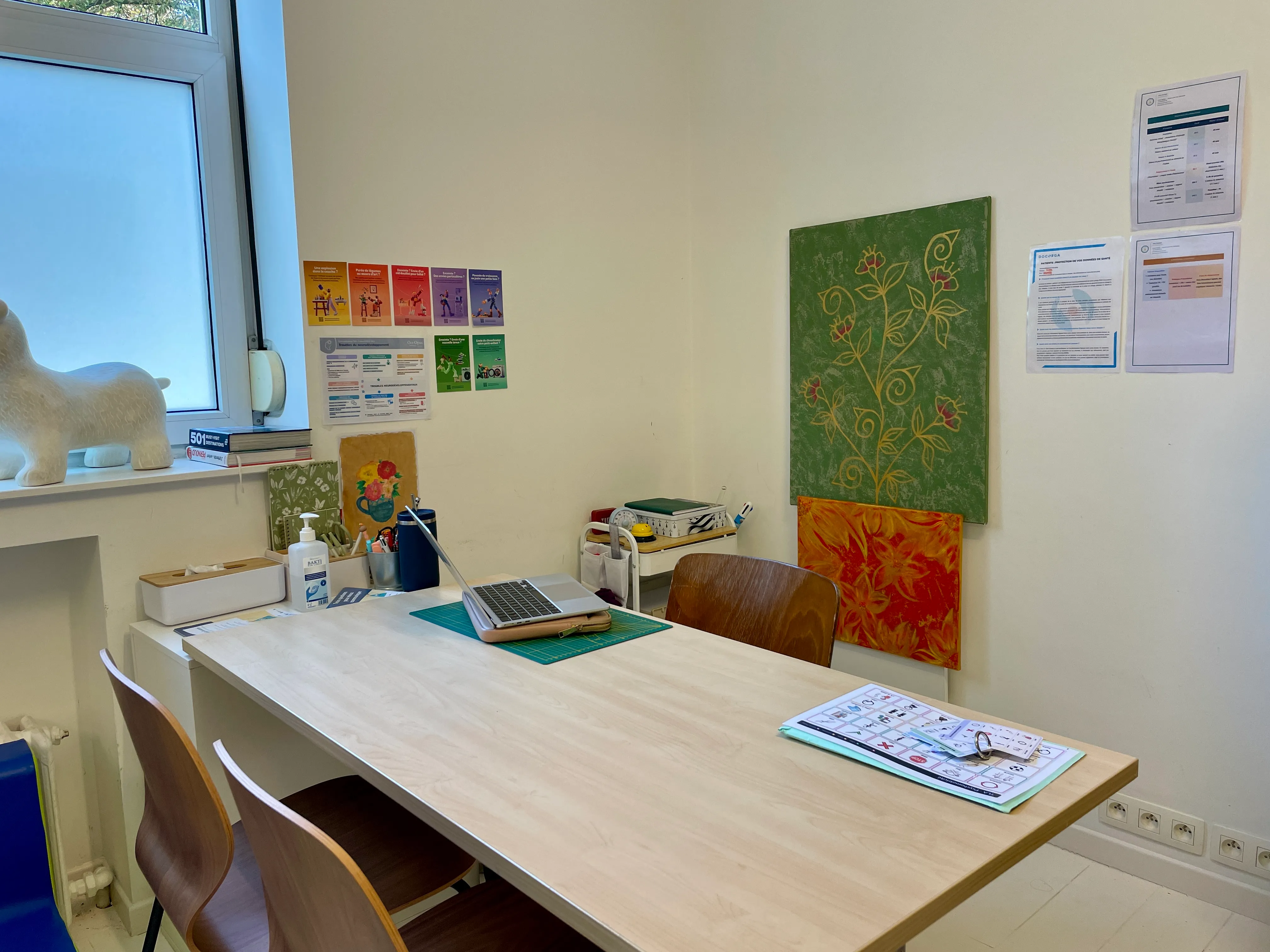
Office in the psychomotor therapy practice

Getting acquainted

A meeting above all

Each person has their own history, strengths and needs. Our first meeting is a chance to understand what brings you here, place any difficulties in context and decide together on the most relevant next steps.

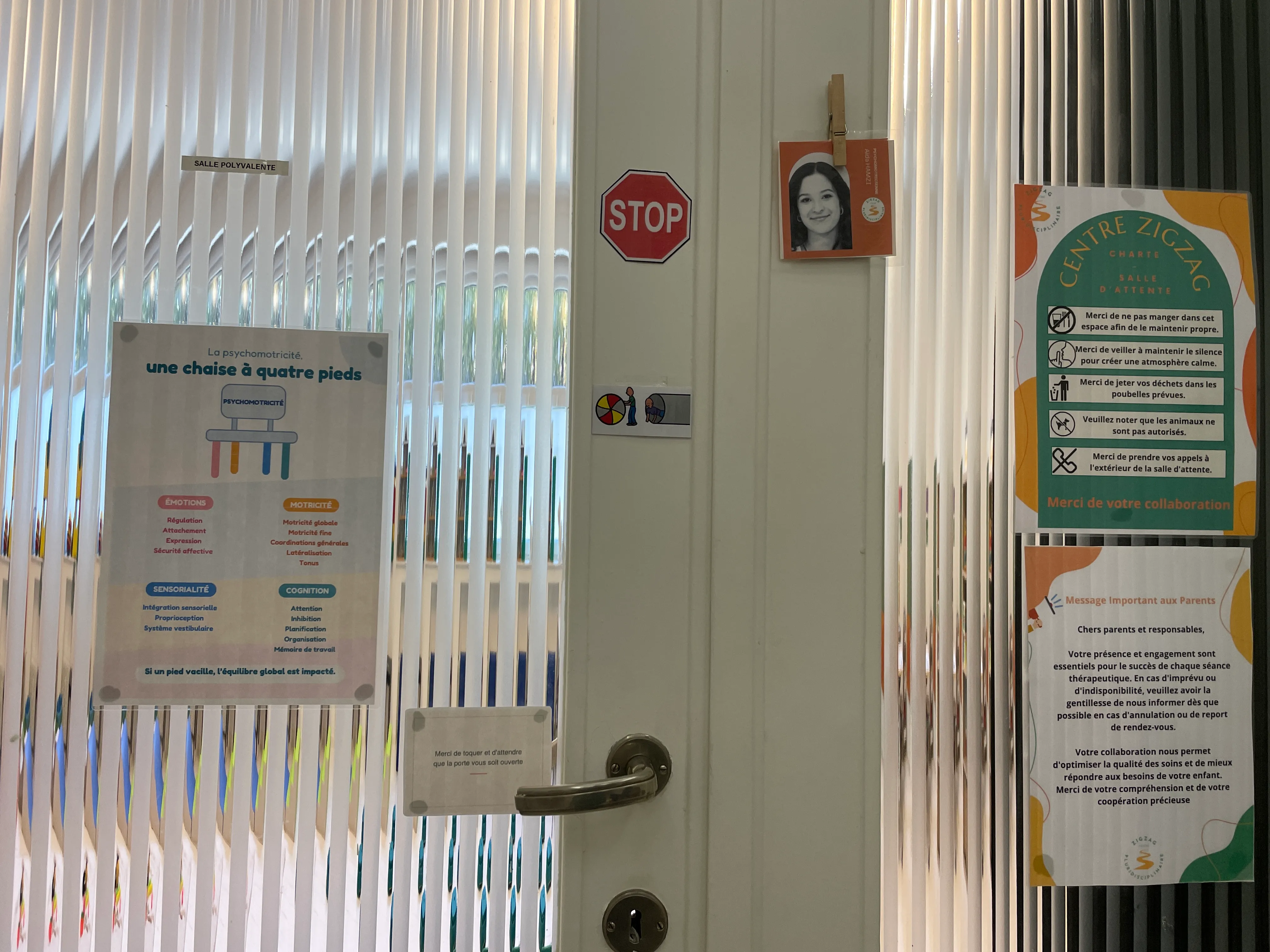
Door of the psychomotor therapy room at Centre ZigZag

Services

Support built together

The process begins with a discussion of your history and needs. A psychomotor assessment or sensory profile may then be suggested if it addresses your concerns.

First meeting and case history

A conversation about your request, development, health and everyday life.

Learn moreShow less : First meeting and case history

A conversation about your concerns, development, health and daily life to decide together what comes next.

The first consultation focuses on your concerns, key developmental milestones, health history and situations encountered in daily life. We discuss difficulties, but also abilities, interests and strengths. At the end of this conversation, we decide together whether a psychomotor assessment, a sensory profile, a referral elsewhere or direct support seems appropriate.
Psychomotor assessment

A clinical analysis and observations to better understand strengths, difficulties and their impact.

Learn moreShow less : Psychomotor assessment

A clinical assessment and observations to better understand strengths, difficulties and their impact on daily functioning.

A psychomotor assessment is proposed in most situations, but it is not automatic. It draws on a structured clinical analysis, observations in real-life situations and standardised tasks or tools chosen according to the person’s age and the question being explored. It aims to better understand strengths and difficulties and their impact on daily functioning. The results inform practical recommendations and do not, on their own, constitute a medical diagnosis.

When might an assessment be helpful?

Difficulties with coordinating movements, handling small objects or organising an activity can raise questions. An assessment explores these situations and their impact at home or at school. A single difficulty does not establish a disorder; the first meeting helps clarify what you and your child need.

What does the assessment involve?

Your child’s developmental history and everyday experiences provide the starting point. Clinical observations and standardised tasks or tools are selected to suit their age and the question being explored. The assessment focuses on the relevant abilities rather than following an identical programme for every child.

Understanding the findings and the next steps

The findings bring together observed strengths, difficulties and their effects on daily activities. They inform a discussion about practical recommendations, which may include psychomotor therapy, exploring sensory responses or referral to another professional. An assessment does not automatically lead to therapy sessions.

What an assessment cannot establish

A psychomotor assessment does not, on its own, provide a medical diagnosis of autism, ADHD or another condition. It describes psychomotor functioning in the context of your child’s life. Questions outside this scope require an appropriate referral.

Sensory profile

An exploration of sensory responses and how they influence participation in everyday life.

Learn moreShow less : Sensory profile

An exploration of sensory responses and how they affect participation in everyday life.

When the case history raises a sensory question, a profile may be proposed. Interviews, questionnaires and observations help describe responses to sensory input, how these vary across settings and how they affect participation. The findings help identify possible adjustments and cannot, on their own, establish a diagnosis.

Everyday situations worth discussing

Some children find particular sounds, clothing or touch uncomfortable; others seek more movement or sensory input. These responses need to be understood in context. The question is how they affect activities such as getting dressed, playing or taking part at school.

Conversations, questionnaires and observation

The first meeting helps identify the situations that concern you. A sensory profile may then be suggested if it is relevant. Conversations, questionnaires and observations describe responses to sensory input and how they vary between settings, without defining your child by a category.

Using the findings in daily life

The findings are considered alongside your child’s participation in everyday activities. They help us discuss possible adjustments to situations and environments in light of the needs observed. If there are also questions about coordination or motor skills, a psychomotor assessment may be worth considering.

The limits of a sensory profile

A sensory profile cannot, on its own, diagnose autism or another condition. It does not mean that a particular treatment method is indicated. Any next steps depend on your concerns, the impact on daily life and the support that can appropriately be offered.

Follow-up

Tailored sessions, with goals set together.

Learn moreShow less : Follow-up

Sessions built around individual goals, discussed and adapted as support progresses.

Sessions are organised around individual goals: coordination, independence, motor skills, planning and carrying out actions, handwriting-related motor skills or self-regulation, depending on the person’s needs. Play, movement, sensorimotor materials and functional exercises are chosen for their clinical relevance. Goals are discussed regularly, and strategies are adapted in response to progress and feedback from the person’s surroundings.

Goals that matter in everyday life

Depending on your child’s needs, sessions may focus on coordination, fine motor skills, planning actions, handwriting-related movements or self-regulation. Handling objects, getting dressed or joining an activity are examples that can help clarify the goals. These are agreed with your child and family, without a promise of a particular outcome.

What happens during sessions?

Play, movement, sensorimotor materials and functional exercises are selected for their relevance to the agreed goals. Conversations with parents and feedback from everyday situations help review progress and adjust strategies. A psychomotor assessment or sensory profile may inform this work when appropriate.

Psychomotor support for autistic children

An autistic child may have motor, sensory or independence-related needs that are worth exploring. Psychomotor support focuses on the needs identified and their impact on daily life. It is not a treatment for autism and does not replace diagnostic assessment or other support the child may need.

Psychomotor support for children with ADHD

For a child with attention deficit hyperactivity disorder (ADHD), concerns may include organising an action, taking part in an activity or self-regulation. Sessions address the psychomotor goals agreed together. They are not offered as a specific treatment for ADHD, and no reduction in ADHD symptoms is promised.

Depending on the request: one, the other, or both.

Therapeutic approach

Listen, observe, adapt

01

Listening

I place great importance on listening to the experiences of each person and those close to them.

02

Observation

My observations and assessment tools, selected to address the clinical question, help me develop working hypotheses. Interventions draw on relevant methodological guidance without following any protocol mechanically.

03

Adjustment

The strategies I suggest are adjusted in light of the goals, feedback from daily life and the progress observed.

Practical information

The workplace

The consultation room

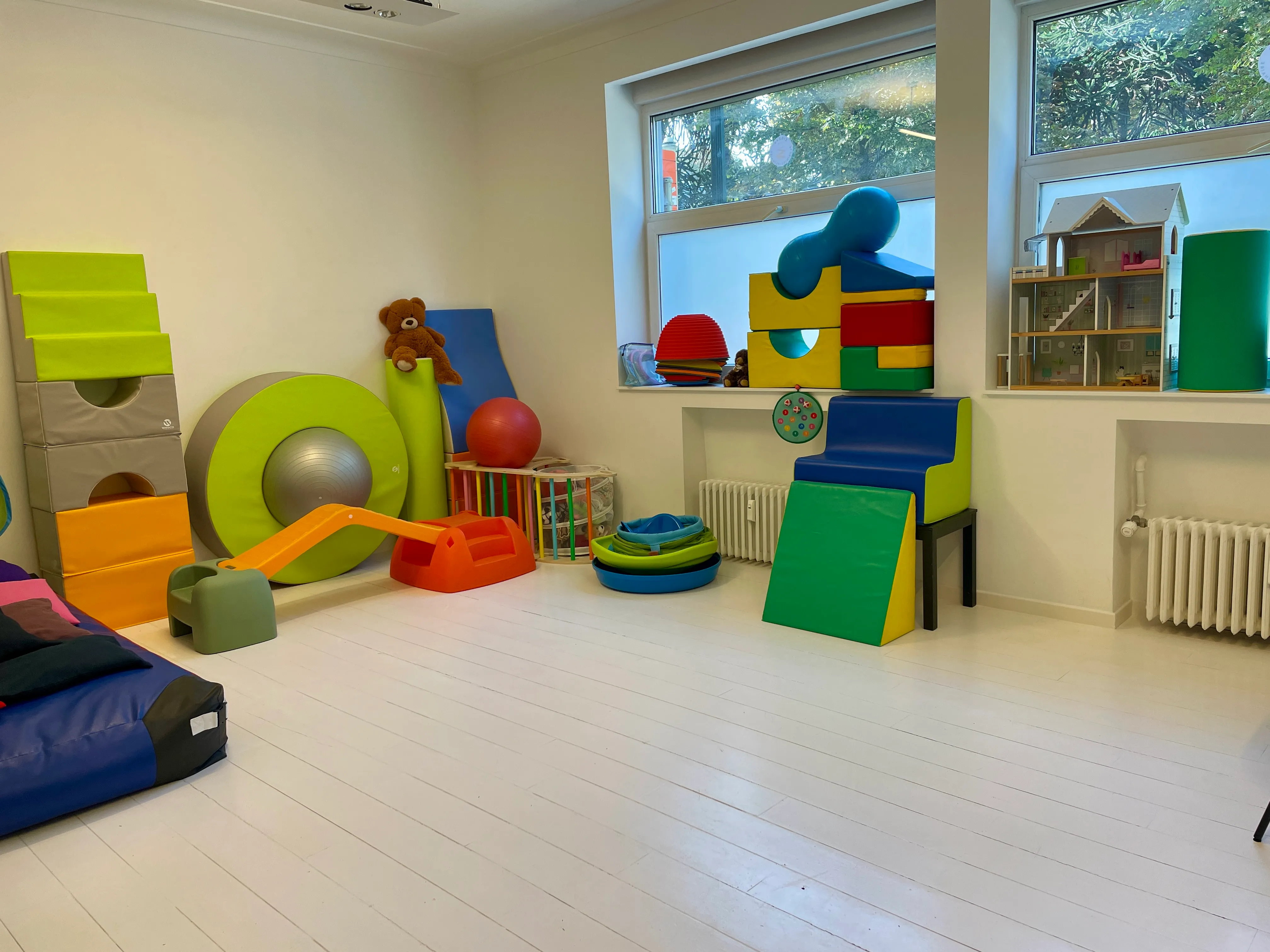
The consultation room offers a flexible setting where movement, play, hands-on activities and conversation serve goals agreed together. The approach is adapted to each person's age, needs and sensory profile.

See practical information
Psychomotor therapy room

Practical information

Coming for a consultation

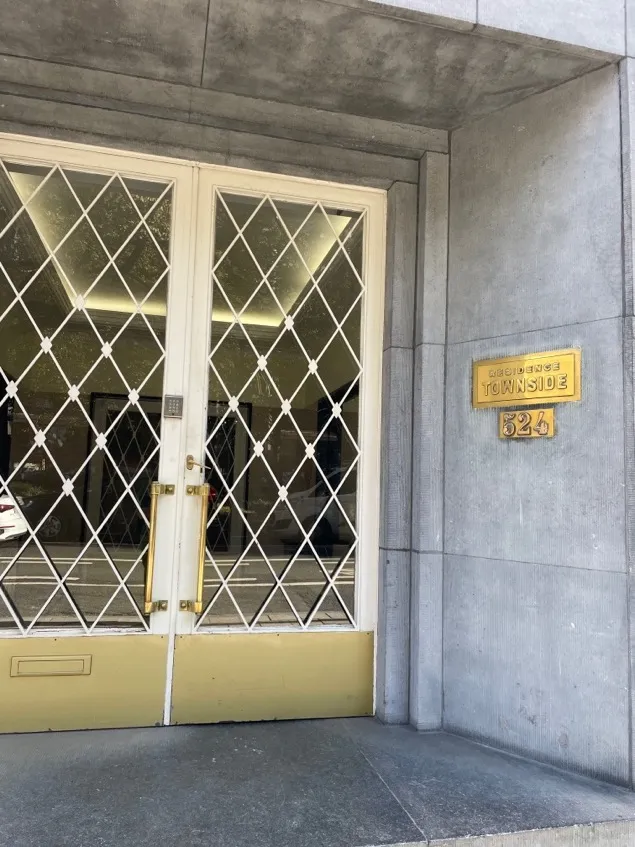
Consultations take place at Centre ZigZag, avenue Louise 524, 1050 Ixelles. Find directions, fees and appointment arrangements in the practical information section.

Use the contact page to discuss your request with the practice.

Entrance to Centre ZigZag at 524 avenue Louise

Go further

Resources to help you understand

Free resources

Infographics, scientific insights and summaries of recommendations to help make sense of neurodevelopment and everyday situations. These resources are for information only and do not replace an individual assessment.

Explore free resources

Moving forward together

A question, or a first meeting?

You can email Aïda Hamzi from the contact page.